Not all brickwork behaves the same way
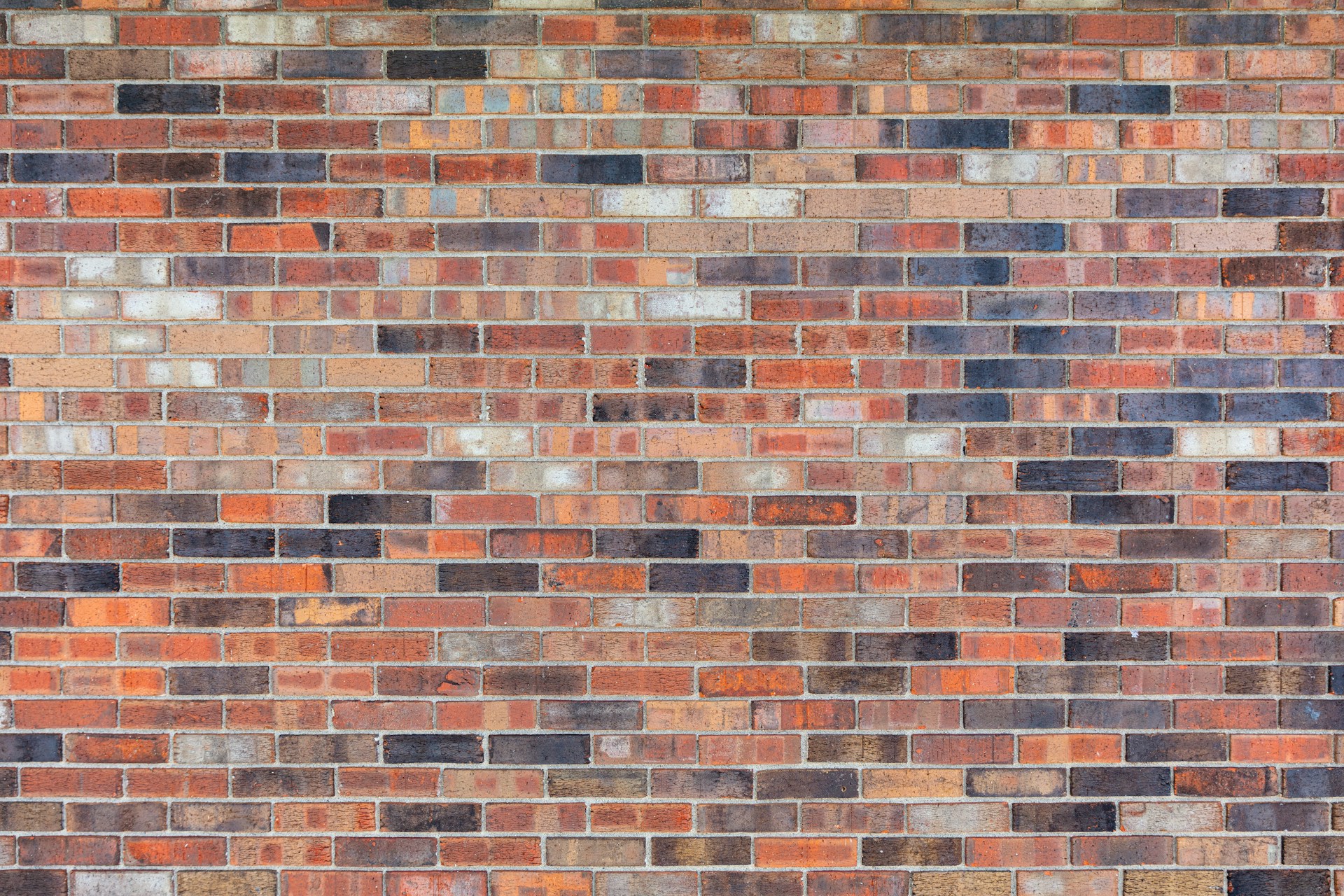
Different types of brick can vary in colour depth, surface texture, density and face detail. Some have a cleaner, more uniform finish, while others have a softer, more varied appearance. Some show sharp edges and regular lines, while others have a more weathered or characterful look.
These differences matter because a repair needs to work with the original brick, not against it. If the surrounding wall has variation in tone and texture, the repaired area has to reflect that. If the brick has a flatter, more consistent face, the repair needs to suit that kind of finish instead.
Colour matching is only part of the job
Some bricks have a smoother, more even appearance. Others have a rougher face, a sanded finish, more variation in tone or a more pronounced texture. These details affect how light hits the surface and how noticeable the repaired area may be once the work is complete.
This is one reason why brick type is such an important part of the assessment stage. The same repair method may not suit every elevation, and a visually successful outcome depends on understanding how the original brick behaves as part of the wider wall.
Texture and face detail can affect how visible the repair looks
Over time, brickwork may weather unevenly, pick up staining, fade slightly or develop more variation across the elevation. That means the surrounding wall may no longer look exactly as it did when it was first built. In these situations, the repair needs to be judged in context. The goal is not to make the repaired spot look like a brand-new brick in isolation, but to help it sit naturally within the existing façade.
This is particularly important on older properties, visually unique buildings and façades where presentation matters.
Older brickwork often needs more care
In many cases, localised brick damage can be repaired instead of replaced, especially where the wider brickwork remains sound. That can be a more practical option when replacement would create more disruption, more cost or a greater risk of inconsistency.
That said, the type of brick and the extent of the damage still need to be considered carefully. A small chip on one kind of brick may be relatively straightforward to repair. The same defect on a more distinctive or heavily varied brick may need a more detailed approach to achieve the right visual result.
This is why early assessment matters. It helps establish whether repair is suitable and what level of blending or finishing may be needed.
Brick type can influence whether repair is the right option
For commercial buildings, residential developments and refurbishment schemes, appearance is only one part of the decision. Programme, disruption and practicality also matter.
If a localised defect can be repaired successfully in situ, that may be a far better outcome than cutting out and replacing surrounding brickwork. It can help keep the project moving, reduce disruption and avoid unnecessary work where the damage is limited to a visible surface issue.
That is often why repair is considered in the first place. The aim is to improve the damaged area in a way that works for the building, the programme and the wider finish.
Why this matters on commercial and live projects
For commercial buildings, residential developments and refurbishment schemes, appearance is only one part of the decision. Programme, disruption and practicality also matter.
If a localised defect can be repaired successfully in situ, that may be a far better outcome than cutting out and replacing surrounding brickwork. It can help keep the project moving, reduce disruption and avoid unnecessary work where the damage is limited to a visible surface issue.
That is often why repair is considered in the first place. The aim is to improve the damaged area in a way that works for the building, the programme and the wider finish.
The best repairs start with the right assessment
Brick surface repair works best when the damaged area is assessed properly from the start. That means looking at the type of brick, the condition of the surrounding wall, the location of the damage and how visible the repaired area will be once complete.
Without that context, it is easy to oversimplify the job. With it, the repair approach can be shaped around the actual wall rather than a generic idea of what brick repair should look like.
Get in touch for a quick quote, or learn more about our brick surface repair here.