Why defects appear earlier in high-traffic zones
Industrial floors are designed to perform under load, but no surface is immune to wear. High-wear zones experience forces that exceed those seen across general floor areas.
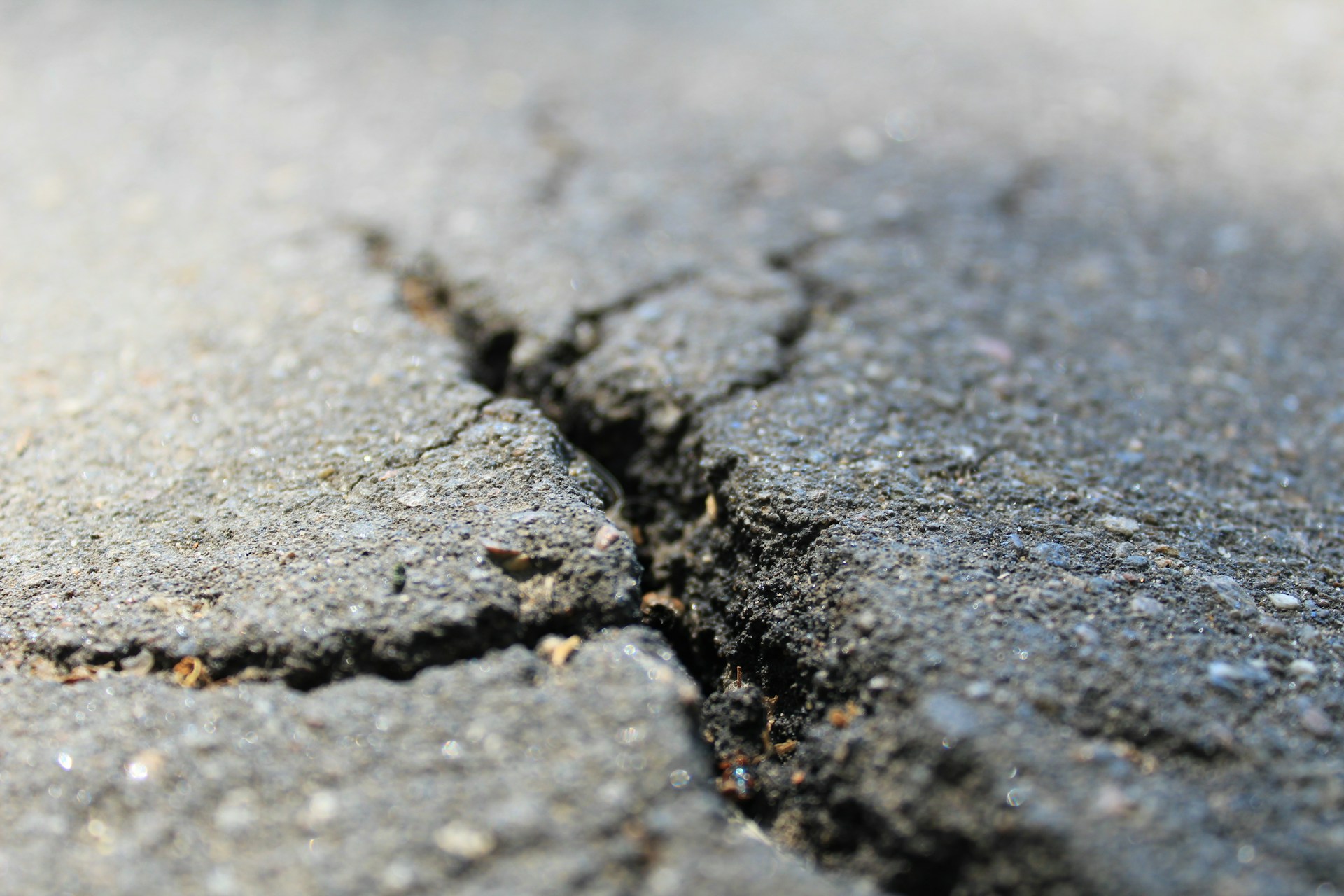
Turning movements place shear stress on the surface. Heavy vehicles compress joints and edges. Dropped loads and pallet impacts cause localised damage. Even small defects, such as hairline cracks or edge wear, can become entry points for further deterioration.
Once a defect forms, surrounding material is exposed to increased stress, causing the damage to spread outward if it is not addressed.
The risks of leaving damage untreated
Unchecked defects in high-wear areas do more than affect appearance. Cracks and surface breakdown can create trip hazards, affect vehicle handling and increase wear on equipment.
In environments with resin or coated floors, damage can compromise slip resistance or chemical protection. In concrete floors, exposed aggregate and joint failure can lead to accelerated structural degradation.
What starts as a small local issue can quickly develop into a larger maintenance problem requiring more extensive intervention.
The value of early, targeted repair
Early repair focuses on stabilising defects before they spread. By addressing damage in high-wear zones as soon as it appears, the surrounding surface is protected and performance is maintained.
Targeted industrial hard surface repairs allow defects to be isolated and resolved without removing large floor sections. This approach reduces downtime, avoids unnecessary waste and keeps operational areas in use. For facilities teams and site managers, early intervention supports planned maintenance strategies and reduces the likelihood of unplanned shutdowns.
Integrating repairs into maintenance planning
High-wear zones should be a priority in routine inspections. Identifying early signs of wear allows repairs to be scheduled at convenient times rather than reacting to failure.
In many cases, repairs can be phased or completed in short windows to avoid disrupting operations. This is particularly valuable in busy industrial environments where access is limited and continuity is critical.
Choosing the right repair approach
Not all defects require the same solution. The repair method depends on the surface type, the extent of damage and the demands placed on the area.
Professional assessment ensures repairs are compatible with the existing surface and designed to withstand ongoing use. This is especially important in high-wear zones where performance requirements are high.
If high-traffic areas on your site are showing early signs of damage and you want to prevent defects spreading, get in touch with our team to discuss a practical repair approach that keeps your operation moving.