Planning works around building use
Effective planning is the foundation of low-disruption maintenance. Before work begins, experienced contractors will assess how the space is used and identify peak activity times, access routes and sensitive areas.
This allows works to be scheduled around occupants rather than forcing occupants to work around the works. In some cases, tasks can be completed room by room or floor by floor to avoid widespread disruption. In others, work may be planned outside peak hours where appropriate.
Clear communication with site contacts is just as important. Knowing when works will start, how long they will take and which areas will be affected helps everyone plan ahead.
Protecting surrounding finishes and surfaces
One of the most common concerns in occupied buildings is damage to existing finishes. Floors, walls, fixtures and furnishings all need to be protected while works are carried out.
Professional contractors use protective sheeting, edge protection and clean working methods to prevent marking or damage. This is particularly important during internal finishing tasks, where clean lines and sharp edges are expected at the end of the job.
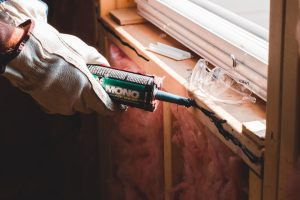
For detail-focused works such as sealing internal junctions, careful preparation ensures surrounding surfaces are protected and left looking better than before.
Managing noise, dust and cleanliness
Noise and dust are often unavoidable during maintenance, but they can be controlled. Using the right tools, limiting noisy activities to agreed times and keeping work areas contained all help reduce impact.
Good housekeeping matters too. Regular clean downs during and after works prevent dust from spreading and keep shared spaces usable. Waste is removed promptly and walkways are kept clear, reducing safety risks and maintaining a professional appearance throughout the project.
Low-impact finishing works in live environments
Many internal finishing tasks are well suited to occupied buildings when delivered by experienced teams. Works such as perimeter sealing, final fix detailing and minor repairs can often be completed quickly with minimal noise and disruption.
For example, skirting board sealant can often be applied in a clean, controlled way to tighten the finish around floor edges, reduce visible gaps and make day to day cleaning easier, without turning the area into a building site. The key is planning access properly, protecting surrounding finishes and working in a way that keeps the space usable.
Consistency across multiple spaces
In larger buildings or portfolios, consistency is key. Repeatable standards, trained operatives and clear processes ensure the same level of finish is achieved across multiple rooms, floors or sites.
This is particularly valuable for managing agents and facilities teams responsible for multiple properties. Knowing that internal maintenance can be delivered reliably and with low disruption helps simplify planning and reduces ongoing management time.
Choosing contractors experienced in occupied buildings
Not all contractors are set up to work in live environments. Experience, training and compliance all play a role in safe, low-impact delivery.
Specialist teams who regularly work in occupied buildings understand the importance of access control, surface protection and clear communication. They also follow health and safety procedures that protect both occupants and the building itself.
When internal maintenance is handled properly, it becomes a quiet upgrade rather than a major inconvenience. With the right planning and the right team, buildings can be improved without disrupting the people who use them every day.
Get in touch
If you are planning internal works in an occupied building and want a team that can deliver a clean finish with minimal disruption, get in touch to tell us a bit about the site and the outcome you need.