Start with the extent of the damage
The scope of visible damage is the first indicator of whether localised repair is viable. Isolated cracks, chips or delaminated patches in an otherwise sound floor are generally good candidates for in-situ repair. Where damage is distributed across a large proportion of the floor area, or where multiple failure types are present simultaneously, the calculus shifts.
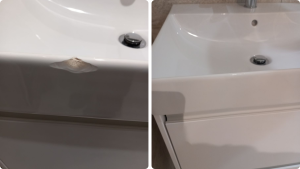
Photograph the affected sections clearly before any assessment discussion takes place. Images showing the edges of the damage, the surrounding floor condition and any visible substrate exposure give a contractor a useful starting point before a site visit is arranged.
Check whether the substrate is involved
Surface-level damage to the resin layer is a different proposition to damage that has reached the substrate beneath. Where the substrate – typically concrete – has cracked, heaved or become unstable, repair to the resin layer alone will not hold. Any repair that does not address underlying movement or substrate failure is likely to fail again in the same location.
Look for cracks that follow a consistent line across the floor, lifting around the edges of damaged sections, or hollow sounds when the surface is tapped near the affected area. These can indicate that the bond between the resin and the substrate has broken down beyond the visible damage zone.
Consider the age and condition of the wider floor
The age of the resin system matters when assessing repair viability. A floor installed within the last few years that has sustained isolated impact damage is a straightforward repair candidate. A floor at or past the end of its expected service life, showing widespread surface degradation, discolouration or adhesion failure across multiple areas, may be approaching the point where full reinstatement is the more practical option.
Repair is not always the right answer – but it is often the right answer when the damage is genuinely localised and the surrounding system remains structurally sound.
Assess the visibility requirements
Colour and finish matching is a relevant factor in any repair assessment, particularly for floors in customer-facing or high-visibility areas. Resin floors weather and wear over time, which means a repaired section may not achieve a perfect visual match to the surrounding surface – especially on older floors with significant foot traffic history.
For back-of-house environments, warehouses or plant rooms, a visible repair patch is unlikely to be an issue. For reception areas, corridors, retail floors or healthcare environments where presentation standards matter, it is worth discussing the likely visual outcome with the contractor at assessment stage rather than after the work is done.
Snagging and defect repair
Defects identified during snagging or at practical completion sit in a different category from in-service damage. The floor system is typically newer, the substrate is in better condition, and the expectation is that the repair should be undetectable at normal viewing distance. This is achievable in most cases where the defect is isolated, but it requires a contractor experienced in finish reinstatement rather than purely structural repair.
For snagging programmes across multiple plots or units, a consistent approach across all defect types – rather than a plot-by-plot response – tends to produce more uniform results and reduces the total number of return visits required.
When to request a site visit
Photographs and written descriptions are a useful starting point, but a site visit is worth requesting where the damage is extensive, where substrate involvement is suspected, or where the visual match requirement is high. A direct assessment allows the contractor to confirm repair viability, identify any substrate issues not visible in photographs, and provide an accurate scope rather than a provisional estimate.
If you have a resin floor defect or damage issue on a commercial project, get in touch or find out more here.