Frame and profile damage on uPVC doors and windows is a routine issue across commercial property. The challenge for contractors and facilities teams is rarely the repair itself – it is delivering that repair without disrupting the people using the building. This article covers how repair scope, scheduling and method choice come together on occupied sites.
Why occupied buildings change the scope of a repair
Repair work in an empty building is largely a programme question – access, sequencing and material lead times. In an occupied building, the same job carries a second layer of constraint. Tenants, staff, residents and visitors are using the spaces being worked on. Noise, fumes, dust, materials on site and engineer presence all need to be planned around the active use of the building. That changes how the work is scoped, the method chosen, and the time of day or week it gets done. A repair that would take an hour on a vacant block can require a multi-step access plan, communications to tenants and a scheduling slot that fits the building in use.
Choosing the right repair method on an occupied site
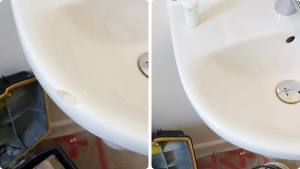
Repair method choice on an occupied site is driven by three things: the depth of the damage, the extent of the area, and the constraints of the environment. Surface scuffs and light scratches are usually handled with in situ localised repair. Deeper marks or impact damage may need a small spray respray of the affected section. Wider areas of degradation across multiple frames sometimes require a full respray of a frame run. The right method is the one that addresses the damage to a consistent finish while fitting the access and timing the building allows.
Scheduling work around the building in use
Scheduling is where most occupied site repair work succeeds or fails. The best results come from coordinating with the building manager early, identifying low-footfall windows and confirming any tenant notice requirements. Communal areas often need to be done outside core hours. Residential blocks usually benefit from daytime work when fewer residents are home. Office buildings frequently allow weekend work where access permits. A repair contractor that brings flexibility on timing makes the scheduling conversation simpler for the FM team running the programme.
How to brief a repair specialist for an occupied building
A clear brief saves time on both sides. Useful information for a repair specialist includes building type and use, location of damage, photos where possible, hours of available access and any tenant or operator constraints. Where multiple items are in scope, a numbered list with photos against each location supports an accurate scope and visit plan. The clearer the brief at the outset, the more efficient the mobilisation – and the fewer surprises on site for the contractor or the building team.
For commercial property teams managing recurring frame damage across an estate or portfolio, our uPVC surface repair services support batched and reactive work across occupied buildings, with regional teams across the UK.
Talk to us about your project
If your buildings need a structured approach to uPVC frame and profile repair across occupied environments, we can scope the work and confirm a delivery plan. Get in touch to discuss the buildings in question, the damage scope and the access constraints we will need to work to.