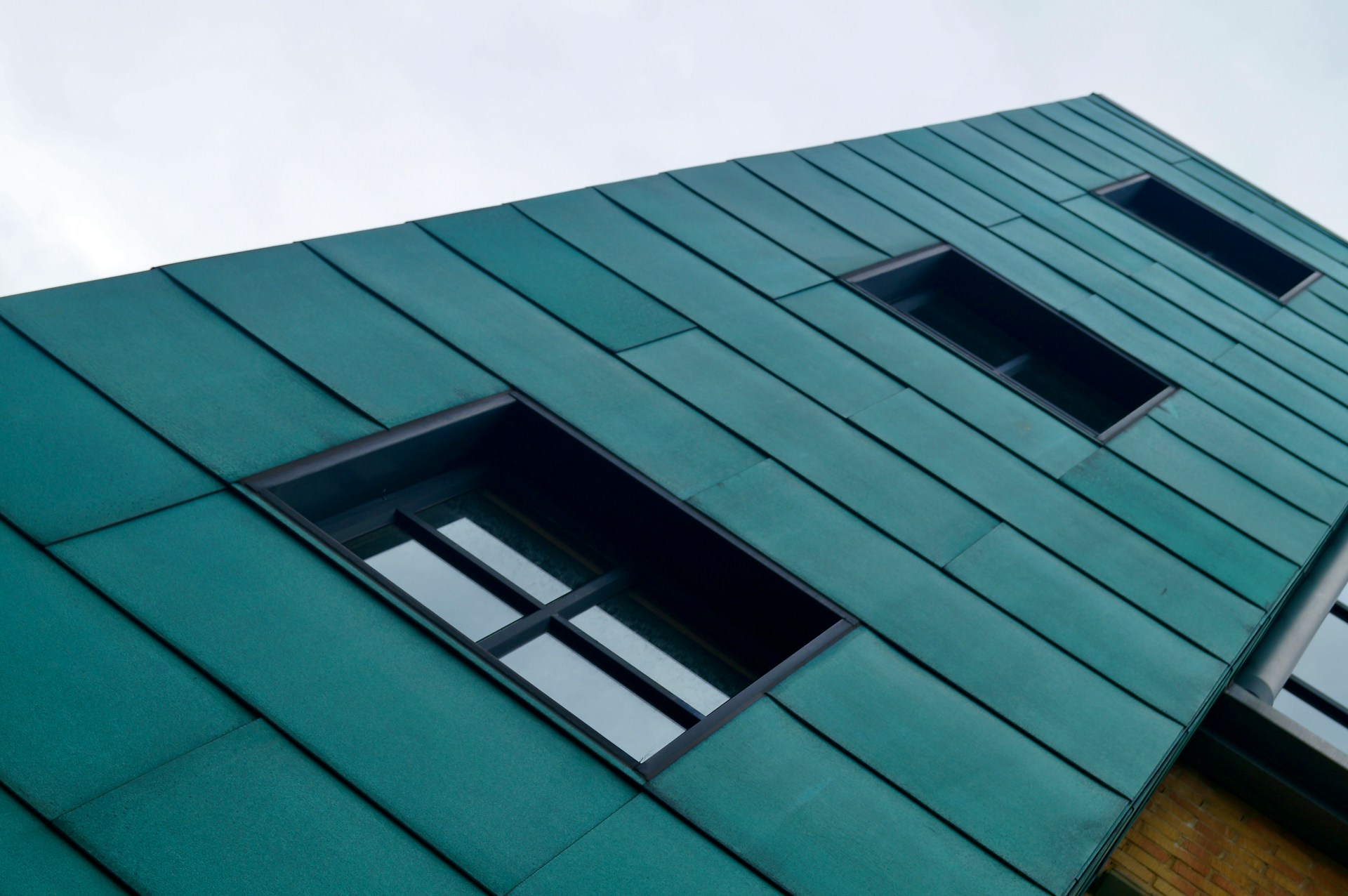
Understand the structure of a GRP component
Before assessing damage, it helps to understand what a GRP component is made of. The visible outer layer is the gel coat – a pigmented resin surface that gives the component its colour, sheen and weather resistance. Beneath that sits the laminate, which provides the structural body of the component.
Most damage encountered on commercial buildings affects the gel coat rather than the laminate. Gel coat damage – scratches, chalking, staining and surface cracks – is generally within the scope of professional repair without replacement. Where the laminate itself has been compromised through deep impact, delamination or structural cracking, the assessment becomes more involved.
Surface-level damage
Gel coat deterioration takes several forms depending on the cause. Weathering over time typically produces chalking – a dull, powdery surface appearance where the gel coat has oxidised – and gradual colour fade. Neither of these affects the structural integrity of the component, but both affect appearance, particularly on high-visibility elevations or where panels sit alongside newer components.
Crazing presents as a network of fine surface cracks, usually caused by UV exposure, thermal cycling or minor impact. It is typically confined to the gel coat and does not indicate structural failure. Impact damage from site activity, tools or dropped materials tends to produce more defined marks – chips, gouges or localised cracking – that sit clearly within the gel coat layer.
All of these are candidates for professional repair provided the laminate beneath remains sound.
What to look for when assessing damage
The distinction between gel coat damage and laminate damage is not always immediately obvious, but there are indicators worth checking on site. Press lightly around the edges of any cracked or damaged area. Flex or movement in the component surface where there should be none can indicate delamination – a separation between the gel coat and the laminate, or between laminate layers.
Tap the surface around the damaged area. A hollow sound compared to the solid response of undamaged sections nearby points to the same issue. Visible cracking that runs in a straight line across a panel, particularly following the line of a fixing or joint, is more likely to indicate structural stress than surface weathering.
Where delamination or structural cracking is present, the component needs a fuller assessment before repair is confirmed as the appropriate scope.
Document the damage before making contact
When GRP damage is identified on site, clear photographs taken before any further work takes place are a useful starting point for any repair assessment. Photograph the damaged area directly, the surrounding surface condition and any relevant context – such as the component’s position on the elevation, proximity to joints or fixings, and any obvious cause of the damage if known.
Images that show the edges of the damage clearly, including any areas where the gel coat has lifted or where cracking extends beyond the main impact zone, give a contractor enough to provide an initial view on repair viability and approach before a site visit is arranged.
When repair in situ is the right response
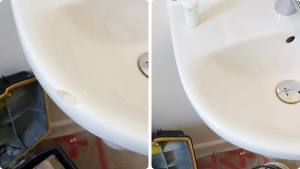
Localised gel coat damage on a component that is otherwise structurally sound is the clearest case for professional repair in place. Snagging defects, impact marks from construction activity, surface crazing on roofline components and cladding panels with isolated chips or scratches all fall into this category.
Repair in situ avoids the programme disruption that comes with removing and replacing a component, limits the risk of damage to surrounding elements during extraction and reduces material waste. On occupied buildings or sites with restricted access, it is often the only practical option within the available programme window.
When replacement is more appropriate
Where the laminate has delaminated across a significant proportion of the component, where structural cracking has compromised the component’s integrity, or where the component has reached the end of its serviceable life through progressive weathering, replacement becomes the more proportionate response.
Repair should not be specified where the underlying condition means the repair will not hold or where the visual result of working on a heavily degraded surface is unlikely to meet the finish standard required.
If you have GRP surface damage on a commercial building, refurbishment scheme or maintenance programme, get in touch or find out more here.