
Professional glass bonding sealant application
Decades of sealant application experience
We work nationwide with regional teams, supporting new build, refurbishment and maintenance projects where presentation, performance and minimal disruption all matter. Whether the requirement is part of a wider fit-out programme or a more focused resealing package, we provide practical advice, site-ready delivery and a clear route from enquiry to quotation.





Commercial glass bonding sealant application
Glass-to-glass joints
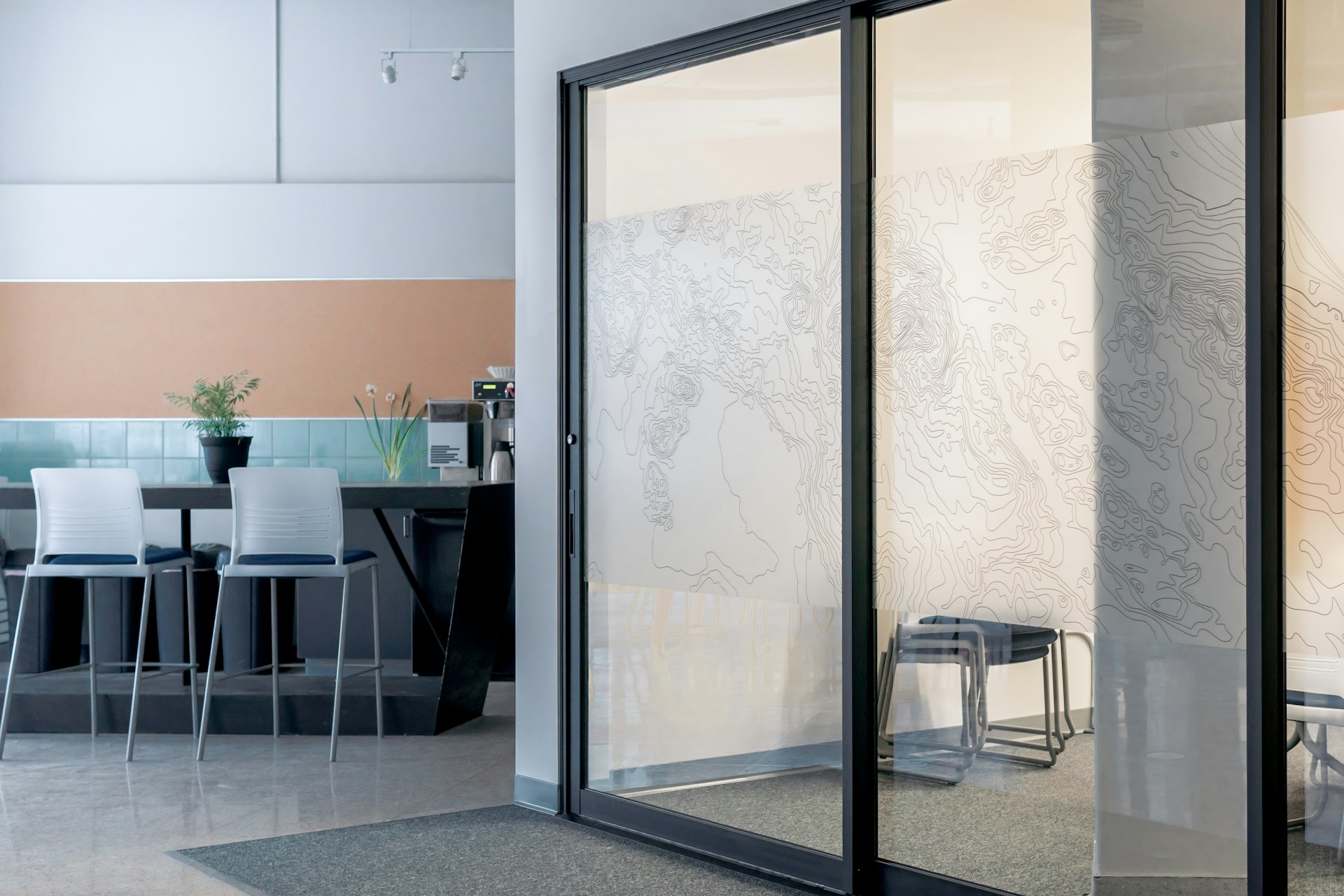
We apply glass bonding sealant to glass-to-glass joints where a clean visual finish and dependable movement accommodation are both important. This can include internal glazed screens, partitions and other bonded glass details where joint presentation needs to match the overall quality of the installation.
Perimeter glazing details
Our teams seal around glazed elements where glass meets surrounding substrates, helping protect against moisture ingress, air leakage and premature joint failure. Correct preparation and product selection are essential, particularly where the joint is exposed to temperature change, movement or regular use.
Internal glazed screens and partitions
In offices, retail settings, residential developments and public buildings, neat glass bonding sealant application helps maintain a professional finish around internal glazed features. We work carefully to achieve consistent lines and a finish that supports the appearance of the wider space.
External glazing interfaces
For external applications, glass bonding sealant must perform in changing weather conditions and across moving substrates. We install suitable sealant systems for exposed glazing details where durability, UV resistance and long-term performance are important considerations.
Refurbishment and resealing works
Where existing sealant have failed, cracked, detached or become visually poor, we can remove deteriorated material and apply new compatible sealant to restore both appearance and performance. This is particularly useful on refurbishment projects; commercial maintenance works and high-visibility buildings where replacing the wider glazed element may not be necessary.
Glass Bonding Sealant FAQs
Our glass bonding sealant FAQs answer the most frequently asked questions we receive about glass sealant application, replacement and repair.
What is glass bonding sealant used for?
Glass bonding sealant is typically used where glass panes or glazed elements need a clean, flexible and durable sealed joint. In building applications, this can include glass-to-glass joints, perimeter details and other interfaces where appearance and long-term performance both matter.
Do you work on internal and external glazing?
Yes. SD Team supports both internal and external glazing-related sealant works, depending on the project requirement. We assess the joint location, exposure and finish expectations before recommending the most suitable application approach.
Can you replace failed sealant around bonded glass?
Yes. Where existing sealant has deteriorated or no longer provides the required finish or performance, we can remove failed material and install new compatible sealant as part of refurbishment or maintenance works. Learn more on our blog here.
Can the work be carried out in occupied buildings?
Yes. SD Team regularly works in live and operational environments across sectors where presentation, access and disruption control matter. The programme can be planned to suit the site and the practical needs of the building user.
How do you quote for glass bonding sealant projects?
Depending on the job, we can review drawings and specifications or arrange a site visit to understand the scope. From there, the team can advise on the right approach and provide a clear quotation aligned to the programme.
Where do you provide glass bonding sealant services?
SD Team operates nationwide across the UK, with regional teams able to support projects of varying scale and complexity.
Get in touch
If you need specialist glass bonding sealant application for a new build, refurbishment or maintenance programme, SD Team can help. Contact the team to discuss your project, arrange a site visit or share drawings and specifications for review.