
Cosmetic buildings repair in Manchester
Specialist cosmetic repair services across Manchester
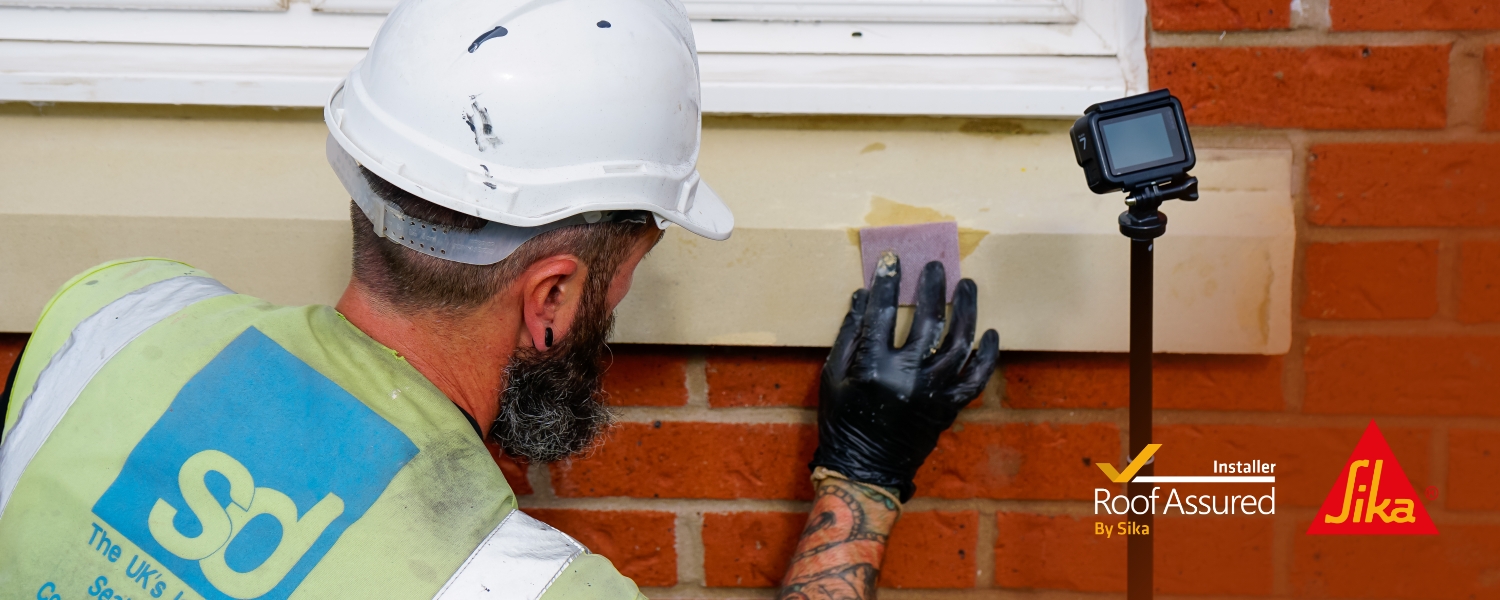
For over 50 years, SD Team has provided dedicated cosmetic building repair services throughout Manchester and the wider Northwest. Our work focuses on surface-level restoration rather than structural alteration, repairing visible damage so buildings retain their intended appearance without the need for invasive construction work.



Our cosmetic repair services
Cosmetic repair services available across Manchester and the Northwest
Glass scratch and surface repairs
We remove scratches, staining, and light impact damage from internal and external glass, including windows, balustrades, doors, and partitions. This avoids replacement glazing and helps maintain clean lines across façades and interiors.
Brick, stone, and render touch-ups
Localised defects in brickwork, stone, and render can be repaired using colour matching and texture blending. This is commonly used where impact damage, staining, or weathering has affected appearance on façades.
Cladding and façade surface repairs
We restore cosmetic damage to metal, composite, and timber cladding systems. Scratches, dents, fixing points, and surface staining are repaired and refinished so affected areas sit naturally within the wider elevation.
Floor surface repairs
We deliver cosmetic repairs to tiles, vinyl, laminate, and timber flooring. Chipped edges, surface wear, and localised damage are rebuilt and refinished to maintain a consistent appearance in occupied spaces.
uPVC window and door repairs
Surface damage and discolouration on uPVC frames can often be repaired and resprayed on site. This service supports snagging, refurbishment, and planned maintenance works across Manchester and the Northwest.
Metal surface repair
The team repairs surface damage across a wide range of metal features, including balustrades, railings, street furniture and other architectural details. Minor dents, corrosion and impact marks are treated before the area is refinished to achieve a close visual match.
Our previous cosmetic repair work
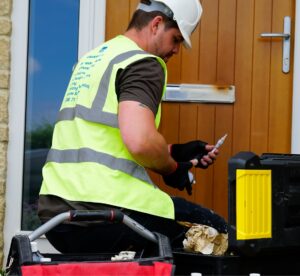
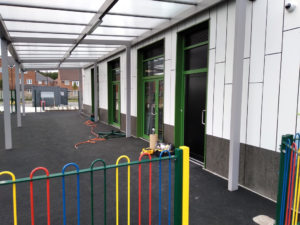
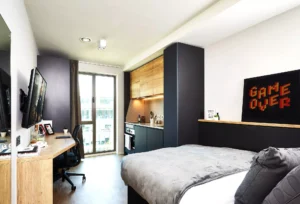
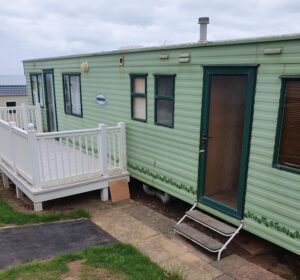
Cosmetic repairs before and after
Cosmetic repair FAQs
Our cosmetic building repair work spans Manchester commercial developments, residential schemes and public-sector properties. For any answers not covered here, contact our team below.
What qualifies as a cosmetic building repair?
Cosmetic building repair focuses on surface-level defects that affect the look and finish of a material rather than the structure behind it. Typical examples include chips to baths or basins, scratched glass, cracked or chipped tiles, scuffs and dents on cladding, worn flooring edges, and localised damage to brick, stone, or render. The aim is to restore the surface, so it reads as consistent again, without dismantling surrounding areas or replacing the whole component. If the issue is structural, unsafe, or caused by underlying movement that needs remediation first, we will advise on the right next step before cosmetic work is completed.
Is cosmetic repair suitable for heritage or listed buildings?
Yes, in many cases cosmetic repair is a sensible option for heritage and listed buildings because it can reduce intervention and help preserve original materials. The key is using methods that respect the existing substrate, finish, and age-related character. Repairs may involve careful colour matching to weathered stone or brick, recreating texture so patched areas do not look flat, and selecting repair materials that suit traditional construction. Where approvals are required, we can support by providing clear scope and explaining the repair approach, so the work aligns with conservation expectations.
How visible will a cosmetic repair be once completed?
A well-executed cosmetic repair is designed to blend in at normal viewing distance and under typical lighting. Results depend on the surface type, the extent of the damage, and how much variation exists in the original finish. For example, patterned tiles, natural stone, and aged masonry can be more complex because colour and texture vary across the surface. We use colour matching and finishing techniques to reduce contrast, recreate sheen, and tie the repair into the surrounding area. In most commercial and residential settings the repair is visually consistent, though very close inspection may reveal a repaired area depending on the material and the damage.
Do cosmetic repairs comply with building and safety requirements?
Cosmetic repairs are planned and delivered with appropriate site controls, especially in occupied buildings and public environments. This includes selecting suitable access methods, keeping areas safe for users, and managing dust, noise, and working zones. Each job is assessed based on the location, footfall, and operational constraints of the building. Where the repair touches regulated environments such as healthcare, education, or high-traffic public spaces, the approach is planned to support safe use, clear segregation, and minimal disruption while the work is carried out.
Why choose cosmetic repair over replacement?
Cosmetic repair is often chosen because it reduces disruption, programme delays, and cost. Replacement can mean stripping out surrounding finishes, waiting for lead times, and taking spaces out of service while work is completed. Repair is typically completed on site and targets only the damaged area, which can be particularly valuable for live buildings such as hotels, offices, residential blocks, and public sector sites. It also reduces waste by keeping serviceable materials in place, which supports sustainability goals and lowers the impact of removals and disposal. Where the underlying surface remains sound, repair can deliver the finish standard you need without the downtime of replacement.
Get in touch today
If you’re looking for support with cosmetic building repairs in Manchester, our specialist team is here to help. Get in touch to talk through your project and we’ll advise on the most appropriate surface repair solution, providing a quotation and schedule.