
Commercial cosmetic building repairs in Bristol
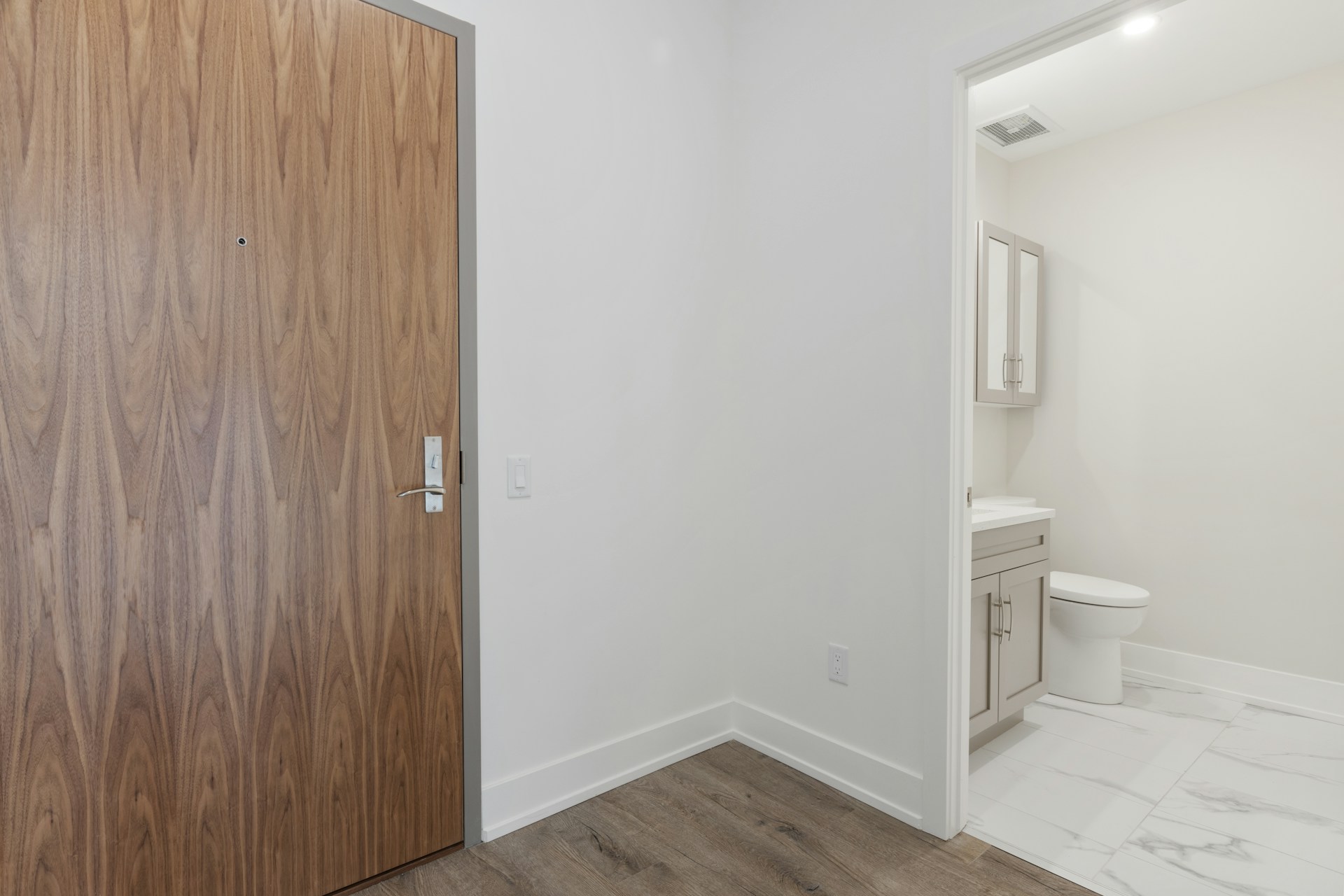
Specialist repair-first solutions for projects across Bristol
With over 50 years of experience behind the wider business, SD Team is positioned to deliver practical repair solutions that reduce waste, avoiding unnecessary strip-out. In Bristol, we support commercial clients with cosmetic building repairs that restore damaged finishes in place.



Our cosmetic repair services
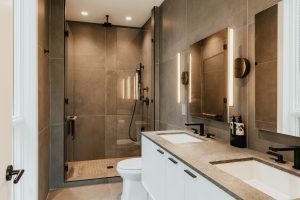
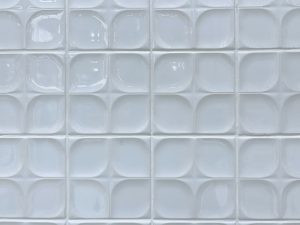
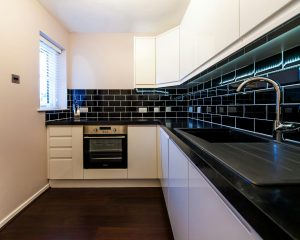
Commercial cosmetic repair projects across Bristol
Office and workplace environments
In offices and shared workplace settings, damaged surfaces can undermine the finish of newly completed or recently updated areas. We help address localised defects, so presentation standards are maintained during office fit out, refurbishment and ongoing maintenance.
Retail and customer-facing spaces
In customer-facing environments, damaged finishes are quick to stand out. Cosmetic repair can help deal with visible issues across counters, tiled areas, doors, wall surfaces and fitted elements without introducing wider disruption to the space.
Education and public-sector buildings
Schools, colleges and public buildings often need repair work that can be planned carefully around operational use. Localised cosmetic repair helps deal with damage efficiently while keeping intervention limited to the affected area.
Hotels and accommodation settings
Bedrooms, bathrooms, corridors and shared spaces all need to present well. Cosmetic repair offers a practical way to rectify surface damage in hospitality and accommodation environments where speed, finish quality and minimal disruption all matter.
Construction, refurbishment and handover work
Cosmetic repair often plays a key role during final-stage project delivery. Whether the issue sits within a snagging list, reinstatement programme or handover preparation, repairing the damaged area in situ can help maintain momentum and reduce unnecessary replacement.
Wide range of cosmetic repair services
Glass polishing and scratch reduction
Light scratching to glazing can sometimes be improved through specialist polishing techniques. This can be a useful option where replacement would cause greater cost or disruption than the surface damage itself.
Brick, stone and render repairs
Damage to masonry and rendered surfaces can affect the overall look of an elevation even when the wider area remains sound. We carry out localised repairs that help reduce the need for wholesale replacement, particularly where the issue is visual rather than structural.
Cladding touch-ups and surface refinishing
Marks, abrasions and dents to cladding panels can often be treated through localised repair and refinishing. This allows damaged sections to be addressed without replacing complete runs of material.
Flooring repairs
Damage to timber, laminate, vinyl and tiled floors can often be resolved through focused repair work. We restore affected sections so the damage becomes less prominent and the wider flooring area can remain in place.
uPVC restoration
Scratched or weathered uPVC frames and trims can often be refreshed on site. This is particularly relevant for refurbishment and completion works where the existing component is still serviceable but no longer looks fit for handover.
Architectural metalwork touch-ups
Coated metal features such as trims, rails and other visible elements can often be repaired and refinished where surface damage affects presentation. The goal is to bring the affected area back into line with surrounding finishes.
Our previous cosmetic repair work
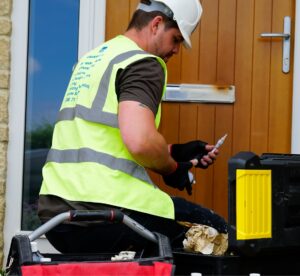
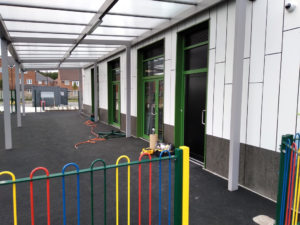
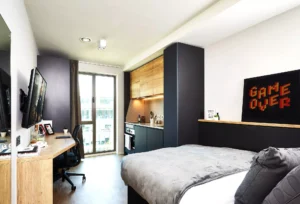
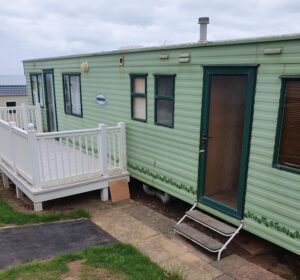
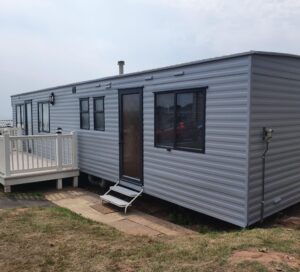
Cosmetic repairs before and after
Cosmetic repair FAQs
When visible damage appears in a finished space, the key concern is usually whether it can be resolved properly without causing extra cost, delay or disruption. Cosmetic repair is often the most practical option where the wider surface is still sound, and the goal is to restore appearance without unnecessary replacement.
What kinds of damage can cosmetic building repair deal with?
Cosmetic building repair is used for surface-level damage that affects appearance rather than structural performance. That can include chips, cracks, scratches, dents, worn edges, staining and other visible defects across items such as tiles, sanitaryware, worktops, cladding, frames, flooring and masonry. The purpose is to restore the damaged area, so it blends back into the wider finish as naturally as possible.
Why choose cosmetic repair instead of replacement?
In many cases, replacement is more disruptive than the damage itself. If the wider component is still in good condition, repairing the affected area can be a more efficient way to deal with the issue. It helps avoid unnecessary strip-out, reduces material waste and limits the knock-on impact on programme, access and surrounding finishes. For commercial projects, that often makes repair the more practical and cost-conscious route.
Is this service suitable for commercial properties that are still in use?
Yes. Cosmetic repair is well suited to occupied and operational environments because the work is normally focused on the damaged section only. That makes it easier to plan around day-to-day use, other trades and project deadlines. It is often used in offices, retail environments, hospitality settings, education buildings and residential developments where maintaining presentation matters but disruption needs to stay controlled.
How noticeable is the repair once completed?
The aim is always to achieve a finish that sits comfortably within the surrounding area and does not draw attention at normal viewing distance. That depends on the material, the extent of the damage, the original finish and the conditions around it, but careful work on colour, texture and sheen is what makes a repair feel consistent rather than obvious.
Get in touch today
If your Bristol project includes visible surface damage that needs to be resolved professionally, SD Team can assess the issue and advise on the most suitable repair route. Get in touch to discuss the work and request a quote or site review.