
Commercial structural sealant services
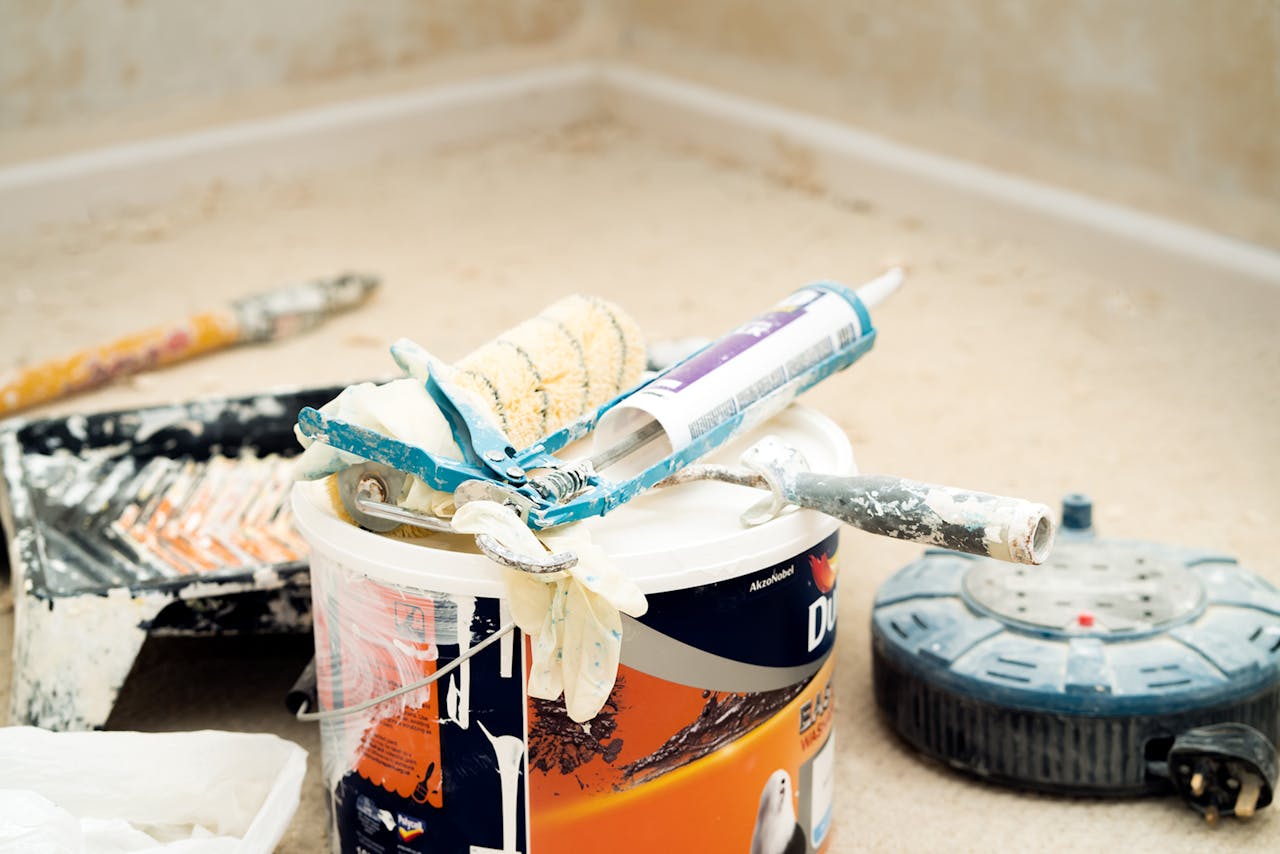
Decades of sealant application experience
Structural sealant plays a critical role in the performance and integrity of commercial building facades, glazing systems and joint assemblies. Where sealant is required to carry load, maintain structural bonding between elements or provide primary weather exclusion within a system, the correct product selection, surface preparation and application are all essential.


Reliable, structural sealant application for commercial projects
Structural glazing and curtain wall systems
Structural sealant is widely specified across curtain wall and structural glazing assemblies where the sealant provides the primary bond between glass units and framing systems. We apply structural sealant systems to manufacturer specifications, working with the correct materials and preparation processes to ensure the joint performs as required within the wider assembly.
Facade and panel joint sealing
On commercial facades, structural sealant is used to seal and bond joints between cladding panels, stone elements and other exterior components where the joint must accommodate movement while maintaining weather exclusion and structural continuity. Correct joint design, primer specification and application technique all contribute to long-term performance.
Expansion and movement joints
Structural sealant applied to expansion and movement joints must flex with the building without losing adhesion or cohesion over time. We apply appropriate sealant systems to movement joints across facades, floors and interfaces where differential movement, thermal expansion or settlement need to be accommodated.
Remedial and refurbishment resealing
Where structural sealant has failed, cracked or detached on an existing building, remedial resealing is often a more proportionate response than full system replacement. We remove failed material and apply new compatible sealant to restore joint performance and weather exclusion on facades, glazing and other building elements.
New build and fit-out programmes
On new build and fit-out projects, structural sealant is often applied as part of a wider facade or glazing package. We work alongside main contractors, specialist subcontractors and design teams to deliver the sealant element in line with specifications and programme requirements.
Why choose SD Team for structural sealant
Technical knowledge and product selection
Structural sealant applications require the right product for the substrate, joint type and movement demands of the assembly. We bring practical knowledge of sealant systems and their correct application to each project, rather than applying a one-size-fits-all approach.
Experience across commercial construction
SD Team works across a range of commercial sectors and project types, from new build developments and curtain wall installations to facade refurbishment and remedial programmes. That breadth of experience means we understand the pressures and requirements that come with each type of commission.
Nationwide delivery with regional teams
We operate across the UK with regional teams able to support projects of varying scale and complexity. That makes the service suitable for contractors and developers managing works across single sites or multi-site programmes.
Support from enquiry to completion
We work with clients from the first conversation through to job completion, providing advice on product selection, preparation requirements and programme logistics before confirming the approach and cost.
Structural Sealant FAQs
Our structural sealant FAQs answer the most frequently asked questions we receive about the application, replacement and repair of structural sealant.
What is structural sealant used for in construction?
Structural sealant is used where a joint or bonded connection between building elements needs to provide both weather exclusion and structural performance. Common applications include curtain wall and structural glazing systems, facade panel joints, cladding interfaces and movement joints where the sealant is required to bond, flex and maintain adhesion over the life of the building. The distinction from standard sealant is that structural products carry load or provide primary bonding between elements, rather than acting purely as a weather seal.
How is the correct structural sealant selected?
Product selection depends on the substrate types being joined, the joint dimensions, the level and type of movement the joint needs to accommodate, and the environmental conditions the assembly will be exposed to. In many cases, a specific product or system will be prescribed in the facade or glazing specification. Where that is the case, we work to the specified system. Where selection is part of the service, we advise based on the joint requirements and the performance demands of the application.
Find out more about where and why a structural sealant might be needed here.
Can failed sealant be replaced without replacing the wider system?
In many cases, yes. Where the failure is limited to the sealant itself rather than the wider substrate or bonded assembly, remedial resealing is often a practical route. This involves removing the failed material, preparing the substrate correctly and installing a compatible new sealant. The suitability of this approach will depend on the extent of the failure, the condition of the surrounding materials and what the original system requires.
Do you work on new build and refurbishment projects?
Yes. SD Team provides structural sealant services across both new build construction and refurbishment programmes. On new build projects, we typically work as part of a broader facade or glazing package. On refurbishment and remedial works, we assess the existing joint condition and advise on the most appropriate approach before confirming the scope of work.
Get in touch
If you need specialist structural sealant for a commercial construction, facade or glazing project, get in touch with us to discuss the requirement and arrange a quotation or site review.